
A well-equipped outdoor and garden setup starts with the right hand tools: something sharp enough to prune cleanly, sturdy enough to dig without bending, and comfortable enough to use for a full afternoon. Below you’ll find our top-rated gardening tools, plus links to our full buying guides for lawn care equipment and backyard patio furniture if you’re planning a bigger outdoor project.
Top-Rated Outdoor and Garden Tools
Showing 13–13 of 13 results
Whichever outdoor and garden tools you pick, a little care extends their life: rinse and dry blades after use to prevent rust, and drain and coil hoses before the first freeze to avoid cracking. For general outdoor water-use efficiency tips, see the EPA’s WaterSense program.
Table of Contents
Choosing the Right Tools by Task
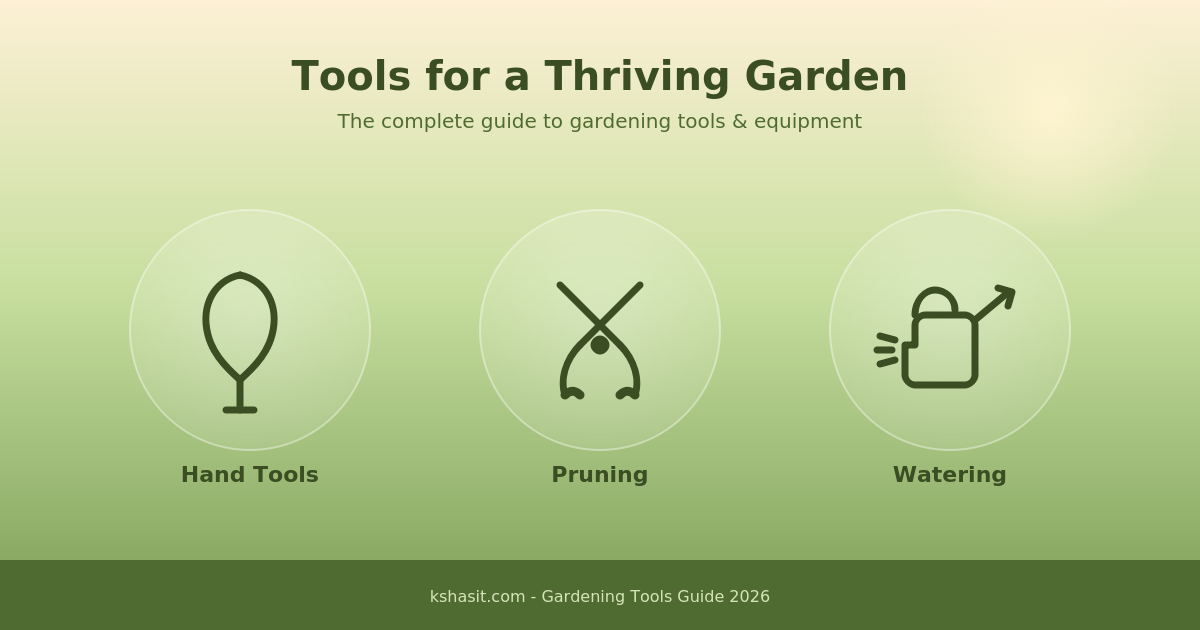
Most outdoor and garden work breaks down into the same three categories shown above — hand tools, pruning, and watering — and each one has a couple of things worth checking before you buy.
Hand Tools
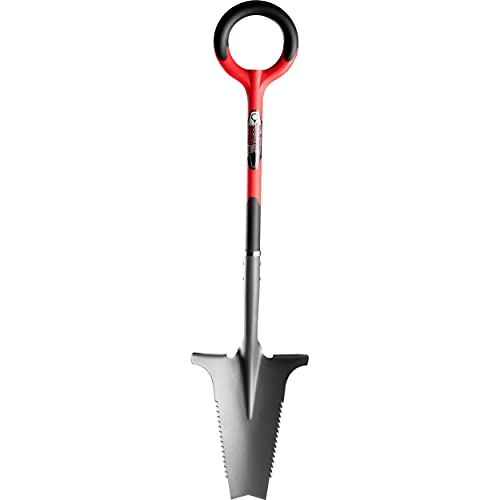
A trowel, a hand weeder, and a pair of gloves cover most bed and container work. Look for a full tang (where the metal blade extends all the way through the handle) on anything you’ll be prying or digging with — it’s the main thing separating a tool that survives rocky soil from one that snaps at the handle. Ergonomic, cushioned grips matter more than they sound like they would if you’re doing more than a few minutes of digging or weeding at a time.
Pruning
Bypass pruners (two curved blades that slide past each other, like scissors) make a cleaner cut on live stems and are the right choice for most everyday pruning. Anvil pruners (a single blade closing onto a flat edge) crush slightly on live wood but handle thicker, dead, or woody material better. Either way, a clean, sharp cut heals faster and is less likely to invite disease than a ragged one from a dull blade — it’s worth sharpening or replacing pruners well before they feel noticeably dull.
Watering
Hose material is the main tradeoff: rubber and reinforced rubber hoses resist kinking and hold up to sun exposure longest, while lighter vinyl or “expandable” hoses are easier to handle and store but wear out faster. For anything beyond hand-watering with a nozzle, a simple drip irrigation kit or soaker hose delivers water at the soil line instead of over the leaves, which both saves water and reduces the leaf-wetness that invites fungal problems in a lot of garden plants.
When to Upgrade From Basic to Higher-End Tools
If you’re maintaining a couple of containers or a small bed, budget hand tools and a basic hose reel are genuinely enough — there’s no real performance you’re leaving on the table. The signal to spend more is scale and frequency: a larger yard, raised beds you’re tending weekly, or pruning work that goes beyond light deadheading is where a full-tang trowel, bypass pruners with replaceable blades, or a proper drip irrigation setup start earning back their higher price in durability and time saved.
Frequently Asked Questions
What’s the difference between bypass and anvil pruners?
Bypass pruners cut with a scissor-like action and are the better choice for live stems and general pruning, since they leave a cleaner cut that heals faster. Anvil pruners close a single blade onto a flat surface and handle thicker or dead wood better, but tend to crush live stems rather than cleanly cutting them.
How often should garden tools be sharpened?
For tools used regularly through the growing season, once or twice a season is typically enough — a quick pass with a sharpening stone or file on pruners and hoe blades. A tool that’s visibly tearing or crushing instead of cutting cleanly is overdue, regardless of how long it’s been since the last sharpening.
Is an expandable hose actually worth it?
For light, occasional watering and easy storage, yes — they’re noticeably easier to handle and coil than a standard hose. For daily watering, dragging a hose across gravel or rough ground, or anything that puts real pressure or weight on it, a standard rubber or reinforced hose holds up considerably longer.
How do I stop my garden tools from rusting?
Rinse off soil and moisture after each use, dry metal parts before storing, and wipe blades with a light coat of oil occasionally, especially before a long stretch of not being used. Storing tools somewhere dry rather than left outside is the single biggest factor in how long they last.