
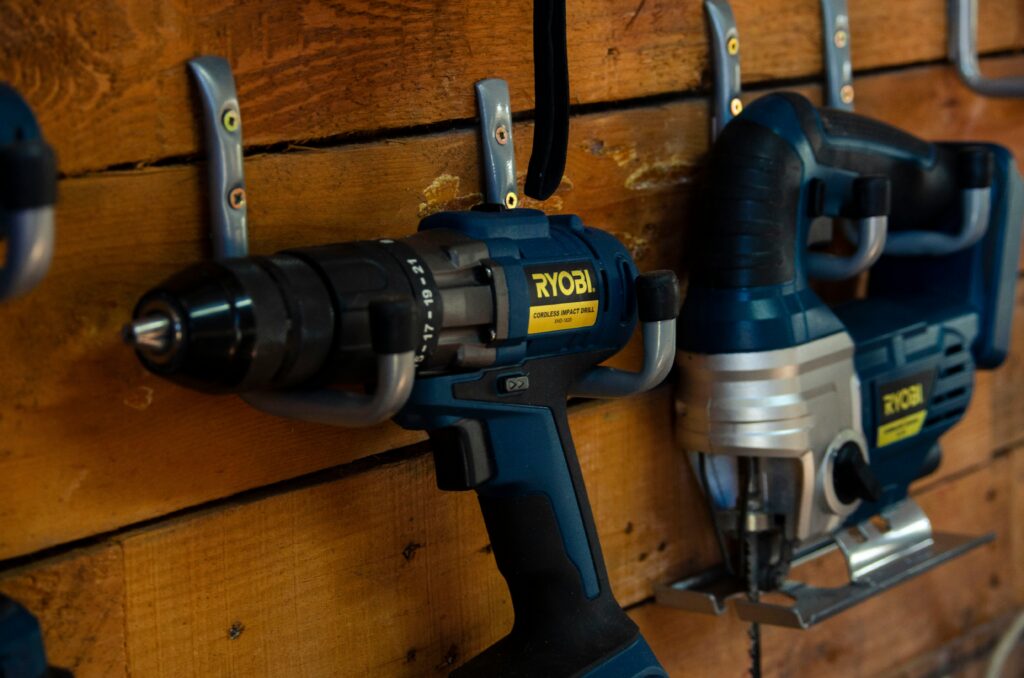
DIY power tools are built for exactly what the name says: occasional, intermittent use — a project every few weeks, not eight hours a day, five days a week. Within that use case, they’re genuinely good tools, not a compromise. The tradeoff shows up in duty cycle and material choices, not in whether the tool can do the job.
Below are five DIY power tools picks that cover the basics most homeowners need, followed by a quick guide to what actually separates this tier from professional-grade equipment — and how to tell if you’ve outgrown it.
Table of Contents
Our Picks
Showing all 5 results
- Sale!
 Power Tools DIY
BLACK+DECKER 20V MAX Cordless Drill and Impact Driver, Power Tool Combo Kit with Battery and Charger (BD2KITCDDI)
Original price was: $139.99.$129.00Current price is: $129.00. Shop on Amazon - Sale!Power Tools DIY
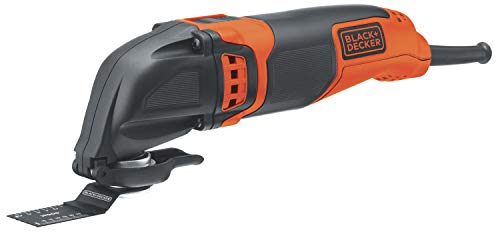
BLACK+DECKER Oscillating Multi-Tool, Variable Speed, 2.5-Amp (BD200MTB)
Original price was: $79.99.$68.00Current price is: $68.00. Shop on Amazon - Sale!Power Tools DIY
CRAFTSMAN V20 MAX Cordless Drill Driver and Impact Driver Set, Power Tool Set with 2 Batteries and Charger, LED Work Light, 2 Bits, Bag (CMCK200C2)
Original price was: $169.00.$142.00Current price is: $142.00. Shop on Amazon - Sale!Power Tools DIY
DEWALT 20V MAX Cordless Drill and Impact Driver, Power Tool Combo Kit , Includes 2 Batteries, Charger and Bag (DCK240C2)
Original price was: $239.00.$169.00Current price is: $169.00. Shop on Amazon



What Makes a Tool “DIY-Grade”
A few things tend to define this tier, and none of them mean the tool is poorly made — they just reflect a different use case than professional equipment. Manufacturers make these tradeoffs deliberately, engineering DIY power tools around cost and convenience for someone picking up a project every so often rather than the sustained heavy use a contractor puts a tool through five days a week.
- Lower duty cycle. These tools are engineered for intermittent bursts of work with rest in between, not continuous all-day operation. Run one hard for hours straight and it’ll run hot and wear out faster than it would under normal home use.
- Brushed motors are common. Less expensive to manufacture, and perfectly fine for occasional use — the tradeoff is a shorter working lifespan under heavy or constant use compared to a brushless motor.
- Smaller battery packs. DIY kits typically ship with lower-capacity batteries, which is a non-issue if you’re doing an hour of work here and there, but means more charging stops on a big weekend project.
- Shorter warranties. Usually a few years rather than a lifetime service agreement, which lines up with how much wear the manufacturer expects the tool to see.
When DIY Power Tools Are Enough (and When to Upgrade)
If you’re hanging shelves, assembling furniture, doing occasional repairs, or tackling a project or two a season, a DIY power tools kit is the right call — you’d be paying extra for durability you’d never use up. The signal to upgrade is frequency and duration: if you find yourself reaching for the same tool multiple times a week, running it for hours at a stretch, or it’s started overheating or losing power under normal use, that’s when the cost of professional-grade tools starts paying for itself. See our professional power tools picks if that’s where you’re at.
Whatever tier you land on, safe handling matters as much as tool selection. OSHA’s hand and power tools guidance covers the fundamentals that apply no matter which of these DIY power tools you end up buying.
Frequently Asked Questions
Are budget power tool brands actually reliable?
For occasional home use, yes — brands built specifically for the DIY tier are engineered for that duty cycle, not a stripped-down version of a professional tool. Reliability issues usually show up when a budget tool gets pushed into daily, heavy use it wasn’t designed for, not from normal occasional use
Do I need separate batteries for every DIY tool I buy?
Not if you stay within one brand’s battery platform — most manufacturers sell “tool-only” versions of drills, saws, and sanders that work with batteries and chargers you already own from a combo kit, which is usually cheaper than buying full kits each time.
How long should a DIY-grade power tool last?
With occasional home use — not daily heavy work — a well-maintained DIY-tier tool commonly lasts several years. Battery packs typically wear out before the tool itself does, and are usually replaceable on their own.
What’s the most important tool to buy first?
A drill/driver and impact driver combo kit covers the widest range of jobs — drilling holes, driving screws, and general assembly — which is why it’s the standard starting point before adding a saw, sander, or specialty tool.